
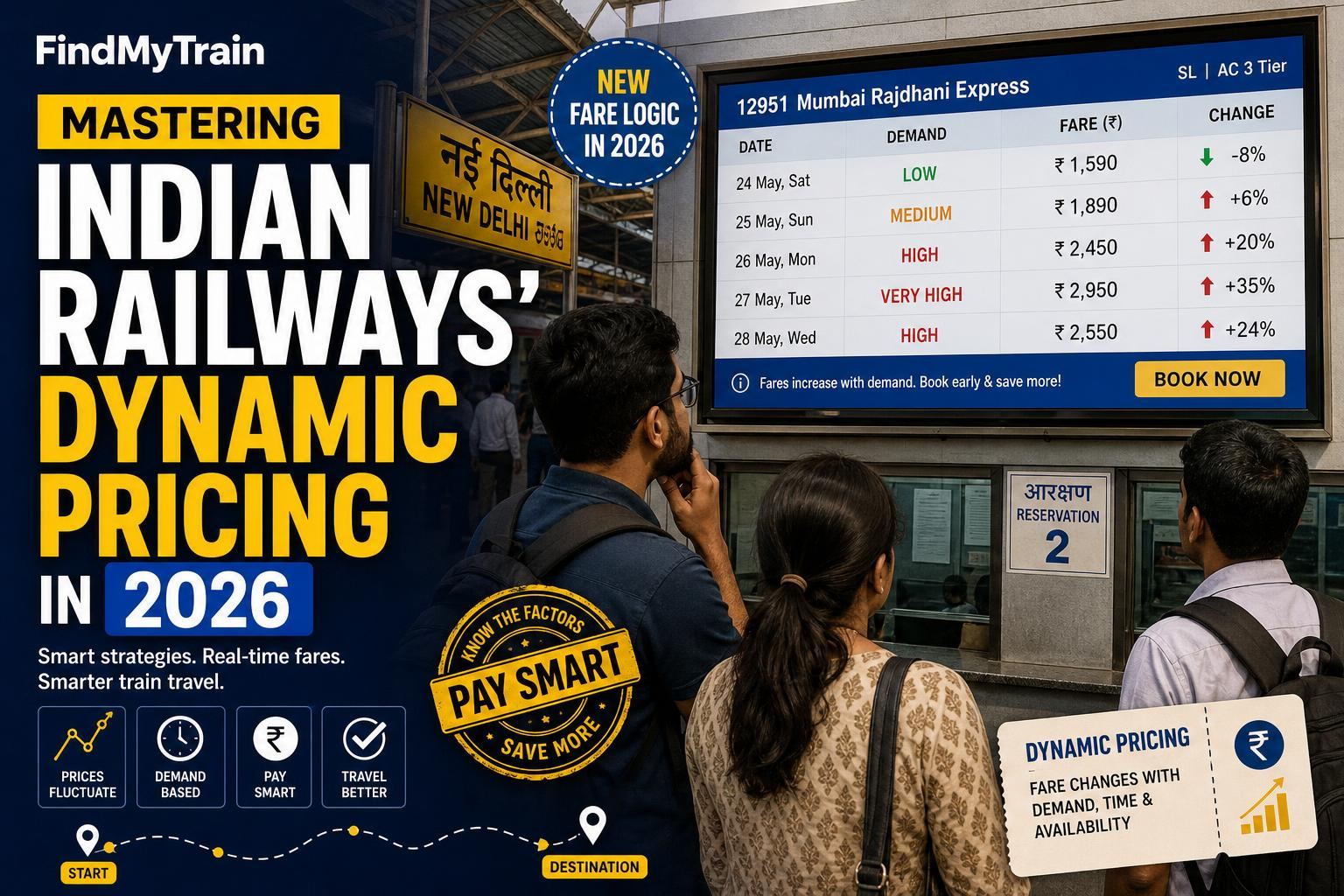
Indian Railways' dynamic pricing system has become a significant feature for train travelers, impacting how fares fluctuate based on demand. Understanding this system can help passengers make informed decisions about when and how to book their tickets. Grasping the intricacies of dynamic pricing can potentially save you money and ensure a smoother booking experience.
In essence, dynamic pricing in Indian Railways means that ticket prices are not fixed; instead, they vary based on several factors, including demand, availability, and the time of booking. This system is designed to optimize occupancy rates and maximize revenue.
What is Dynamic Pricing in Indian Railways?
Dynamic pricing is a flexible fare structure implemented by Indian Railways where the cost of a ticket increases as the demand rises. This pricing model is similar to those used by airlines and hotel industries, where prices are adjusted in real-time based on certain variables. The primary goal is to balance demand and supply while optimizing revenue.
Initially introduced as a pilot project, this system now applies to several popular trains such as Rajdhani, Shatabdi, and Duronto Express. The dynamic pricing model is particularly beneficial during peak travel seasons or for routes with consistently high demand, ensuring that seats are filled efficiently and fairly priced according to their demand.
The dynamic pricing model consists of several tiers. As the lower fare tiers sell out, the prices for remaining seats move to the next tier, effectively increasing the cost. This incremental pricing continues until all seats are booked or the train departs.
Eligibility and Applicability
Not all trains or tickets are subject to dynamic pricing. Primarily, this model applies to premium trains where demand frequently exceeds supply. Trains like Rajdhani, Shatabdi, and Duronto are the focal points of this pricing strategy. Passengers booking tickets on these trains are most likely to experience the effects of dynamic pricing.
Dynamic pricing is typically applied to AC classes, while sleeper classes may not be as affected. This model is mostly relevant for travelers who are flexible with their travel dates and can plan their journey well in advance to avoid higher prices.
The senior citizen fare concession was withdrawn in March 2020, so it does not reduce a dynamically priced fare or any other fare. The concessions that do remain — for four categories of Divyangjan, eleven categories of patients and students — carry their own rules. For the detail, see our senior citizen concession guide.
How to Handle the Dynamic Pricing System
Booking tickets under the dynamic pricing system requires a strategic approach. Here’s a step-by-step guide to help you handle this system effectively:
Step 1: Plan Ahead
The key to avoiding high fares is early booking. As soon as your travel dates are confirmed, book your tickets to avail the lower fare tiers. The earlier you book, the more likely you are to secure a ticket at a reasonable rate.
Step 2: Monitor Fare Changes
Keep an eye on fare changes. Indian Railways' website and mobile apps provide real-time fare updates. By regularly checking these platforms, you can make informed decisions about whether to book immediately or wait for potential fare drops.
Step 3: Use Alternative Trains
If your preferred train has become too expensive due to dynamic pricing, consider alternative trains. Check for other trains on the same route that might not be fully booked or subject to dynamic pricing. Often, slower or less popular trains offer more stable pricing.
Timing and Costs Associated with Dynamic Pricing
The core of dynamic pricing lies in its timing and cost structure. Pricing is often higher during peak seasons like summer vacations, festivals, and weekends. Therefore, understanding these timing nuances can help you strategize your bookings.
Dynamic pricing also tends to escalate as the date of travel approaches. The closer you are to your travel date, the higher the likelihood of increased prices. Hence, booking during off-peak times or securing tickets well in advance can mitigate high costs.
It’s important to understand that prices can change without notice. Indian Railways does not announce specific times for price hikes, so staying vigilant on fare updates is essential. For real-time updates on train status and scheduling, refer to our live train status guide.
Common Mistakes and How to Avoid Them
Many travelers fall into common pitfalls when dealing with dynamic pricing. A frequent mistake is waiting too long to book, hoping for a last-minute price drop. Unlike last-minute deals in airlines, dynamic pricing usually means prices rise as availability decreases.
Another mistake is not considering alternative routes or trains. Often, passengers get fixated on a particular train and overlook potentially cheaper options. Exploring different travel dates or trains can lead to significant savings.
Lastly, misunderstanding the applicability of concessions can lead to unexpected expenses. Always verify whether the concessions apply to the dynamic pricing model when booking your ticket. For more on this, check our refund rules guide which includes concession details.
Practical Tips for Booking Under Dynamic Pricing
Here are some practical tips to help you better handle the dynamic pricing system:
- Set Alerts: Use apps or websites that allow you to set alerts for fare changes. This can help you snag a ticket when prices are favorable.
- Be Flexible: Flexibility with your travel dates and times can often result in better fares. Avoid traveling during peak hours or days.
- Use Loyalty Programs: If you’re a frequent traveler, consider enrolling in loyalty programs offered by Indian Railways for additional benefits or discounts.
- Regularly Check Availability: Sometimes, last-minute cancellations open up availability at lower fare tiers.
By keeping up to date and using these strategies, you can effectively manage your travel costs and avoid the pitfalls of dynamic pricing. Remember, while dynamic pricing can seem daunting, it also offers opportunities for savings if approached with the right strategy.
Frequently Asked Questions
What is dynamic pricing in Indian Railways?
Dynamic pricing is a flexible fare structure where ticket prices increase based on demand, applied mostly to premium trains like Rajdhani, Shatabdi, and Duronto.
Which trains are affected by dynamic pricing?
Dynamic pricing primarily affects premium trains such as Rajdhani, Shatabdi, and Duronto, especially in AC classes.
How can I avoid high fares under dynamic pricing?
Book early, monitor fare changes, and consider alternative trains or travel dates to avoid high fares.
Do concessions apply under dynamic pricing?
Concessions may not apply to dynamic pricing. Always verify specific terms when booking.
When do dynamic pricing fares increase?
Fares increase as lower fare tiers sell out, especially during peak seasons and as the travel date approaches.
Can dynamic pricing offer cheaper fares?
Yes, booking early or during off-peak times can sometimes result in lower fares than fixed pricing models.