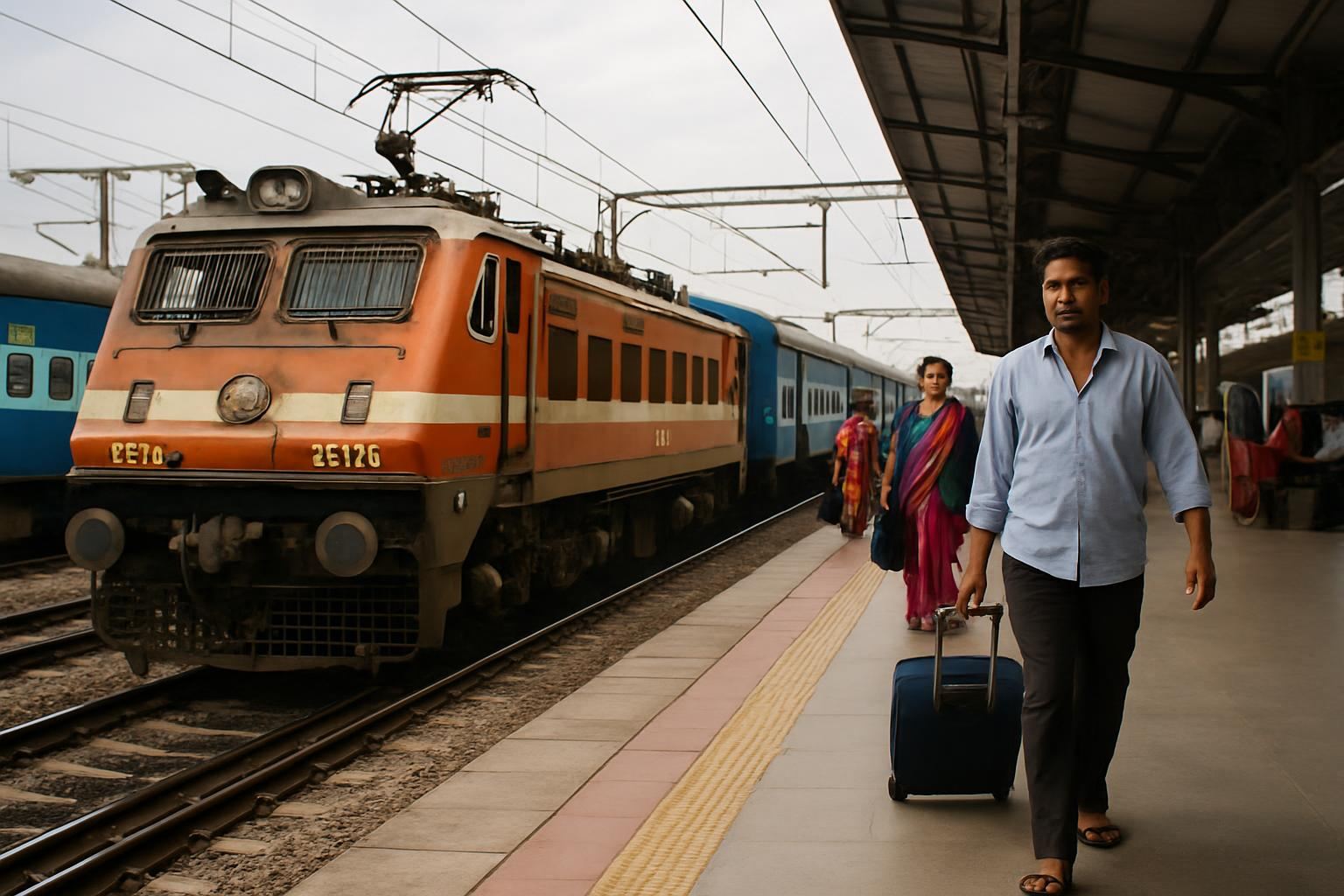
India's urban landscape is rapidly evolving, with metro and mono rail systems playing an important role in facilitating smooth urban mobility. These modern transit options provide a fast, efficient, and eco-friendly way to traverse busy cities like Delhi, Mumbai, Bengaluru, and Chennai. Understanding how to handle these systems is essential for both residents and visitors to maximize their convenience and efficiency.
Whether you're commuting to work, exploring a new city, or just trying to avoid traffic congestion, mastering the metro and mono rail systems can significantly enhance your travel experience.
Understanding the Metro and Mono Rail Systems
The metro rail systems in India are designed to serve large urban populations with high-frequency services. The most extensive systems are found in cities like Delhi and Mumbai, each with multiple lines covering vast areas of the metropolitan regions. Metro trains are known for their punctuality, safety, and speed, making them a preferred mode of transport for millions.
Mono rail systems, on the other hand, are less widespread but offer unique advantages in specific urban environments. Currently, Mumbai is the most notable city with an operational mono rail system, providing connectivity in areas where traditional rail systems are impractical. The mono rail serves as a feeder service, complementing the metro and suburban train networks.
Both metro and mono rail systems are continually expanding, with new lines and extensions planned to enhance connectivity. Keeping track of upcoming developments can help travelers plan their commutes more effectively.
How to Purchase Tickets and Recharge Cards
Purchasing tickets for metro and mono rail systems is straightforward, with multiple options catering to different traveler needs. Single-journey tokens are available at station counters and vending machines, suitable for infrequent travelers or tourists. For regular commuters, smart cards offer a cost-effective solution, providing discounted fares and the convenience of cashless travel.
Most metro systems now support online recharge options for smart cards, allowing users to top up their balance via official websites or mobile apps. This feature saves time and ensures that travelers do not have to wait in queues at ticket counters. Always verify the latest recharge methods on the specific metro system's website.
Some cities offer travel cards that integrate metro, bus, and other public transport modes, speeding up the payment process for those who use multiple forms of transit. It's advisable to explore these options if you frequently switch between different transport modes.
Route Planning and Timetables
Efficient route planning is important for a smooth transit experience. Most metro and mono rail systems provide detailed route maps and timetables on their official websites and mobile apps. These resources help travelers plan their journeys, estimate travel times, and identify convenient interchange stations.
It's important to familiarize yourself with the layout of the network, including key interchange stations and peak hours, to avoid delays. During peak hours, trains may be more crowded, and waiting times can increase, so planning your travel accordingly can enhance your experience.
Many metro systems provide real-time updates on train schedules and any service disruptions. Subscribing to these alerts can help you keep up to date and make necessary adjustments to your travel plans if needed.
Common Mistakes and How to Avoid Them
Newcomers to metro and mono rail systems often make avoidable mistakes, such as boarding the wrong train or not validating their tickets. Always double-check the train's destination and line before boarding. Pay attention to announcements and digital signboards at stations for accurate information.
Another common error is underestimating travel time during peak hours. Trains and stations can become overcrowded, leading to longer wait times and potential delays. Planning to leave a bit earlier during these times can prevent unnecessary stress.
Lastly, ensure your ticket or travel card is valid before entering or exiting the station gates to avoid fines. Familiarize yourself with the refund policies in case of any unused or incorrect ticket purchases. For detailed information on refunds, you can read more about refund rules.
Practical Tips for a Comfortable Journey
To ensure a comfortable and efficient journey, consider traveling during off-peak hours when trains are less crowded. This is especially useful if you're carrying luggage or traveling with children. If you must travel during peak hours, allow extra time for possible delays.
Stay alert and mindful of your belongings, especially in crowded areas. Keep your valuables secure and be aware of your surroundings to prevent theft or loss. Many metro systems have security personnel and CCTV surveillance to ensure passenger safety.
Lastly, take advantage of technology by using mobile apps that provide real-time updates on train schedules, routes, and service announcements. These apps can significantly enhance your travel experience by providing timely and accurate information at your fingertips.
Frequently Asked Questions
Can I use the same smart card for different cities?
No, smart cards are typically specific to each city's metro system. However, some cities offer integrated travel cards for multiple transit modes within the same city.
What should I do if I lose my smart card?
Report the loss to a metro station staff member as soon as possible. Some systems allow you to block the card and transfer the balance to a new one, although policies vary.
Are there special provisions for senior citizens?
Yes, most metro systems offer concessions for senior citizens. It's advisable to check specific eligibility criteria and required documentation for these discounts.
How can I find out about upcoming metro or mono rail expansions?
Official metro websites and news outlets provide updates on expansions. Keeping an eye on these sources will help you stay informed about new routes and services.
Is it safe to travel alone at night on the metro?
Metro systems in India are generally safe with security measures in place. However, it's always wise to stay alert and avoid isolated stations late at night.