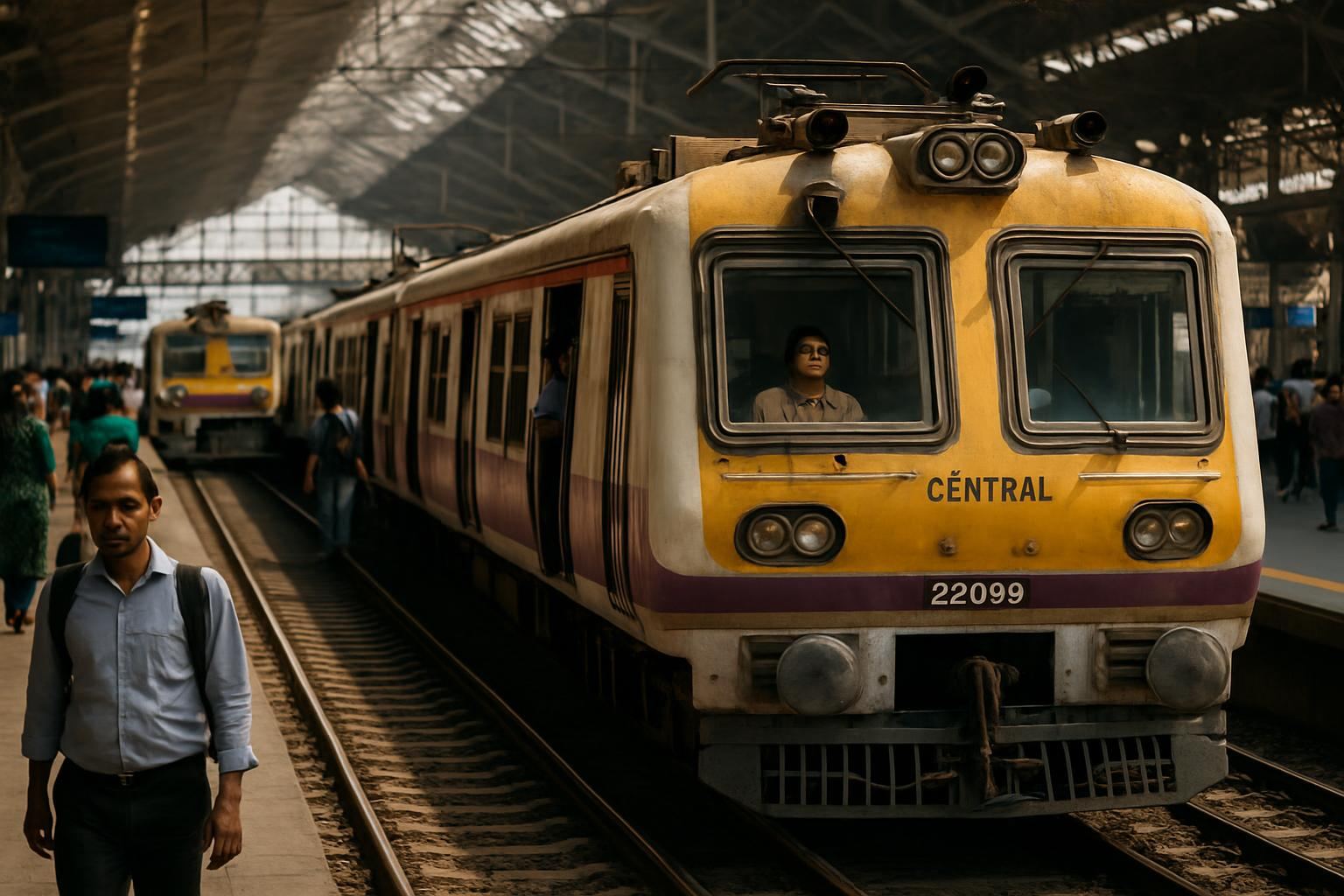
Mumbai's local train network is the lifeblood of the city, transporting millions of passengers daily. Handling this extensive network efficiently requires understanding the local train timetables. Knowing the schedule can make your journey smoother and help you avoid unnecessary delays.
We'll cover how to access the timetables, the different lines and their peak times, and offer practical tips for making the most of your train travels in Mumbai.
Understanding the Mumbai Local Train Network
The Mumbai local train network, operated by the Central and Western Railways, consists of three main lines: Western Line, Central Line, and Harbour Line. Each line serves different parts of the city and suburbs, with trains running from early morning until late at night. Understanding the layout of these lines is important for planning your journey.
The Western Line runs from Churchgate to Dahanu Road, covering major areas such as Bandra, Andheri, and Borivali. The Central Line stretches from Chhatrapati Shivaji Maharaj Terminus (CSMT) to Kasara and Khopoli, passing through Dadar, Thane, and Kalyan. Lastly, the Harbour Line connects CSMT to Panvel, with branches to Goregaon and Andheri.
Each line has various local and fast trains, with local trains stopping at every station and fast trains skipping certain stops to reduce travel time. Knowing which type of train to take can significantly impact your commute.
Accessing Mumbai Local Train Timetables
Accessing the timetables for Mumbai's local trains is straightforward. The timetables are available online on the official websites of the Central and Western Railways. You can also download the 'UTS' mobile app for real-time updates and timetable information.
For those who prefer offline access, printed timetables are available at major stations, or you can pick up a pocket-sized version from local vendors near train stations. These printed versions are updated regularly to reflect any schedule changes.
Ensure you check the latest updates, as train schedules can change due to maintenance work or special events. Always verify the timings on the day of travel to avoid any inconvenience.
Peak and Non-Peak Travel Times
Understanding peak and non-peak travel times can help you avoid crowded trains and improve your travel experience. Peak hours typically occur between 7:00 AM and 11:00 AM, and again from 5:00 PM to 9:00 PM. During these times, trains are packed, and you may need to wait for multiple trains before boarding.
Traveling during non-peak hours, such as late morning or early afternoon, can offer a more comfortable journey with fewer crowds. If you have flexibility in your schedule, plan your trips around these times for a more relaxed experience.
Weekends and public holidays may have different schedules compared to weekdays. Special trains may run during festivals or events, so checking the schedule during such periods is advisable.
Common Mistakes to Avoid
A common mistake is assuming that all trains will stop at every station, which can lead to confusion, especially when boarding a fast train. Always confirm whether the train you're boarding is a fast or local train, and check if it stops at your intended destination.
Another pitfall is not accounting for last-minute changes in the timetable. Railways often update schedules to accommodate maintenance or special events, so always verify the train timings before you start your journey.
Finally, not having a ticket can lead to fines. Ensure you purchase a ticket before boarding, either through the UTS app, at station counters, or automatic ticket vending machines.
Practical Tips for Mumbai Local Train Travelers
For a smooth journey, here are some practical tips: always carry a water bottle and keep your belongings secure. During peak hours, stand near the doors if you're getting off soon, as it can be challenging to navigate through crowded compartments.
Consider buying a monthly or quarterly pass if you're a frequent traveler. This not only saves money but also time spent queuing for tickets. Passes can be purchased online or at designated counters at major stations.
Lastly, use technology to your advantage. Apps like M-Indicator provide real-time updates on train schedules and delays, helping you plan your journey more efficiently. For more detailed guidance on using apps for ticket booking, check our guide on booking tickets via apps.
Frequently Asked Questions
How do I check the current Mumbai local train timetable?
The timetable can be accessed via the Central and Western Railway websites or through the UTS mobile app.
What are the peak hours for Mumbai local trains?
Peak hours are typically 7:00 AM to 11:00 AM and 5:00 PM to 9:00 PM on weekdays.
Are there any changes in train schedules on weekends?
Yes, weekends and public holidays may have different schedules. It's advisable to check the timetable in advance.
Can I buy tickets online for Mumbai local trains?
Yes, tickets can be purchased online using the UTS app, which offers convenience and saves time.
What should I do if I miss my train?
If you miss your train, check the next available train's schedule and plan accordingly using apps like M-Indicator.