Introduction to Indian Railways Station Codes
The Indian Railways' station code system is an essential component of railway operations, helping to simplify and speed up the booking process. Each station across India is assigned a unique identifier, commonly a three-letter code. These codes are used for booking tickets, checking train schedules, and managing logistics within the vast railway network.
Understanding these codes not only aids travelers in planning their journeys but also ensures smoother communication and fewer errors in ticketing and train management.
The Structure of Station Codes
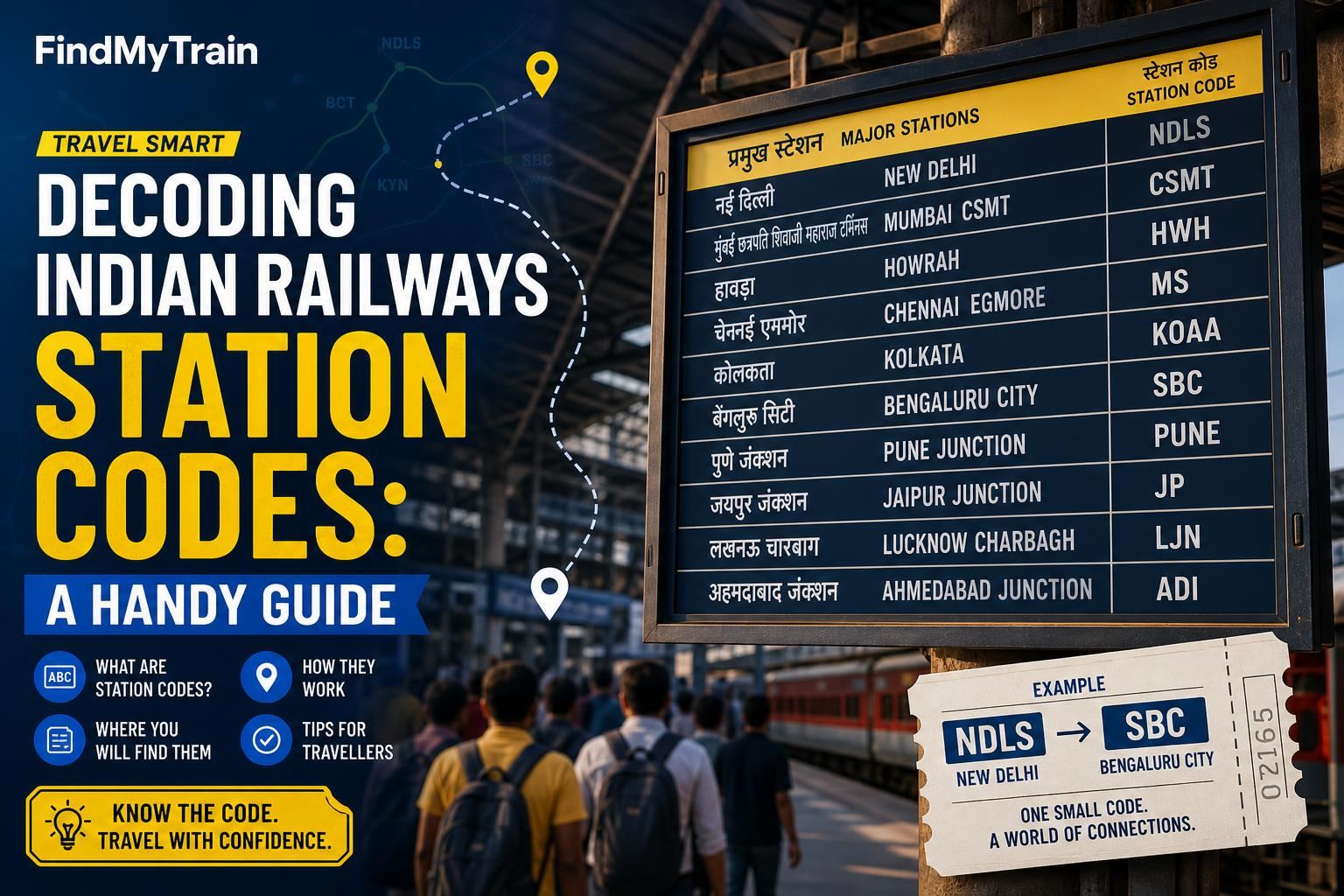
Station codes in Indian Railways are typically three-letter abbreviations that reflect either the name of the station or its location. For example, New Delhi is represented by 'NDLS', while Mumbai Central is 'BCT'. These codes are chosen to be intuitive where possible, making them easier for passengers to remember and use.
Some codes may not immediately seem intuitive due to historical naming conventions or regional language influences. For instance, Howrah is coded as 'HWH', which aligns with the traditional pronunciation in Bengali. Understanding these linguistic and historical influences can help travelers make sense of less obvious codes.
In addition to three-letter codes, some smaller or less frequently used stations might have a four-letter code, although these are less common. The use of station codes is standardized across the Indian Railways network, ensuring consistency in communication.
How Station Codes Are Assigned
The assignment of station codes is managed by the Indian Railways' operational departments. Typically, these codes are assigned based on the station's name, location, and historical significance. The process involves consideration of local language pronunciations and existing code availability to avoid duplication.
For new stations, the code assignment process is conducted by regional railway zones, with final approval from the central railway authorities. This ensures that the codes are unique and do not conflict with existing ones, which is important for maintaining clarity and avoiding confusion in scheduling and ticketing systems.
In some cases, station codes might be revised due to changes in station names, often driven by political or administrative decisions. Such changes are communicated through official circulars and updates on the Indian Railways' platforms, including the live train status pages.
Using Station Codes for Ticket Booking
Station codes play an important role in the ticket booking process on the Indian Railways network. When booking tickets online via the official IRCTC website or app, passengers must enter the station codes for their departure and arrival points. This helps the system quickly identify the relevant stations and available trains.
For travelers booking through physical ticket counters, understanding station codes can expedite the booking process and minimize errors. Knowing the correct codes ensures that the ticketing staff can quickly process bookings without needing to ask for additional clarifications.
Station codes are also used in the PNR (Passenger Name Record) status checks, where passengers can enter their PNR number to receive updates on their train status. To learn more about this, visit our guide on PNR status.
Station Codes in Train Timetables
Train timetables and schedules available both online and in printed formats also use station codes. This helps in maintaining consistency across various platforms and makes it easier for passengers to locate relevant information quickly. In printed timetables, station codes are often listed alongside the station name.
Online platforms typically allow users to search for trains using either the station name or its code. This flexibility is particularly useful for frequent travelers familiar with the codes, allowing them to handle the system more efficiently.
Understanding station codes can also help passengers decipher train announcements and digital displays at stations, where codes are used to indicate train routes and schedules succinctly.
Common Mistakes with Station Codes
One common mistake travelers make is confusing similar station codes, especially those with similar starting letters or geographical proximity. For instance, 'NDLS' for New Delhi is often confused with 'DLI', which also represents a station in Delhi. Such confusion can lead to booking errors and travel disruptions.
Another frequent issue is mistaking the codes due to language differences. Travelers unfamiliar with local languages might incorrectly interpret the abbreviations, leading to incorrect bookings. It's advisable to double-check station codes, especially when booking tickets for unfamiliar routes.
Changes in station names or recent updates to station codes can catch travelers off guard. Staying updated through official Indian Railways announcements or reliable third-party platforms like FindMyTrain can prevent such mishaps.
Practical Tips for Using Station Codes
For travelers looking to make the most of their journey, familiarizing themselves with the station codes of frequently used routes can save time and reduce stress. Creating a list of these codes can be particularly helpful for those traveling on business or with tight schedules.
When planning a trip, checking the station codes of alternative stations can offer flexibility, especially in metro areas with multiple stations. This can be particularly useful during peak travel times when availability is limited at primary stations.
For travelers using online booking platforms, using the auto-suggest features can help quickly find the correct station codes, reducing the likelihood of errors. Keeping a printed or digital list of station codes on hand can be a handy reference during travel.
Station Codes and Technological Integration
With the ongoing integration of technology in rail operations, station codes have become a part of digital systems beyond ticketing. For instance, live train status updates often reference station codes to quickly communicate train progress and delays to passengers.
Mobile apps developed by Indian Railways and third-party providers use station codes to offer features like route planning, Aadhaar linking for ticket booking, and real-time alerts. These integrations make station codes even more important for the modern traveler.
As technology continues to evolve, the role of station codes in facilitating smooth travel will likely expand, offering more personalized and efficient travel experiences for passengers across the Indian Railways network.
Frequently Asked Questions
What is a station code in Indian Railways?
A station code is a unique identifier, usually a three-letter abbreviation, for a railway station used in ticket booking and train schedules.
How can I find the station code for a specific station?
Station codes can be found on the Indian Railways website, through booking platforms like IRCTC, and in printed train timetables.
Are station codes the same as PNR numbers?
No, station codes identify railway stations, while PNR numbers are unique to each passenger's booking for a journey.
Can station codes change?
Yes, station codes can change due to station name changes or administrative updates. It's important to verify the current code before booking.
Why are station codes important?
Station codes simplify the booking process, ensure accurate scheduling, and facilitate efficient communication within the railway network.